
Mouthwash before or after brushing depends on the type of mouthwash you use. Fluoride mouthwash works best at a separate time from brushing, since rinsing right after fluoride toothpaste can wash away its benefits. Antimicrobial and cosmetic mouthwashes are generally fine to use immediately after brushing and flossing, since they clean areas your toothbrush and floss miss.
That one-line answer covers most people. But the full picture depends on what’s actually in your bottle, and getting the order wrong can quietly cancel out the benefit you’re trying to get.
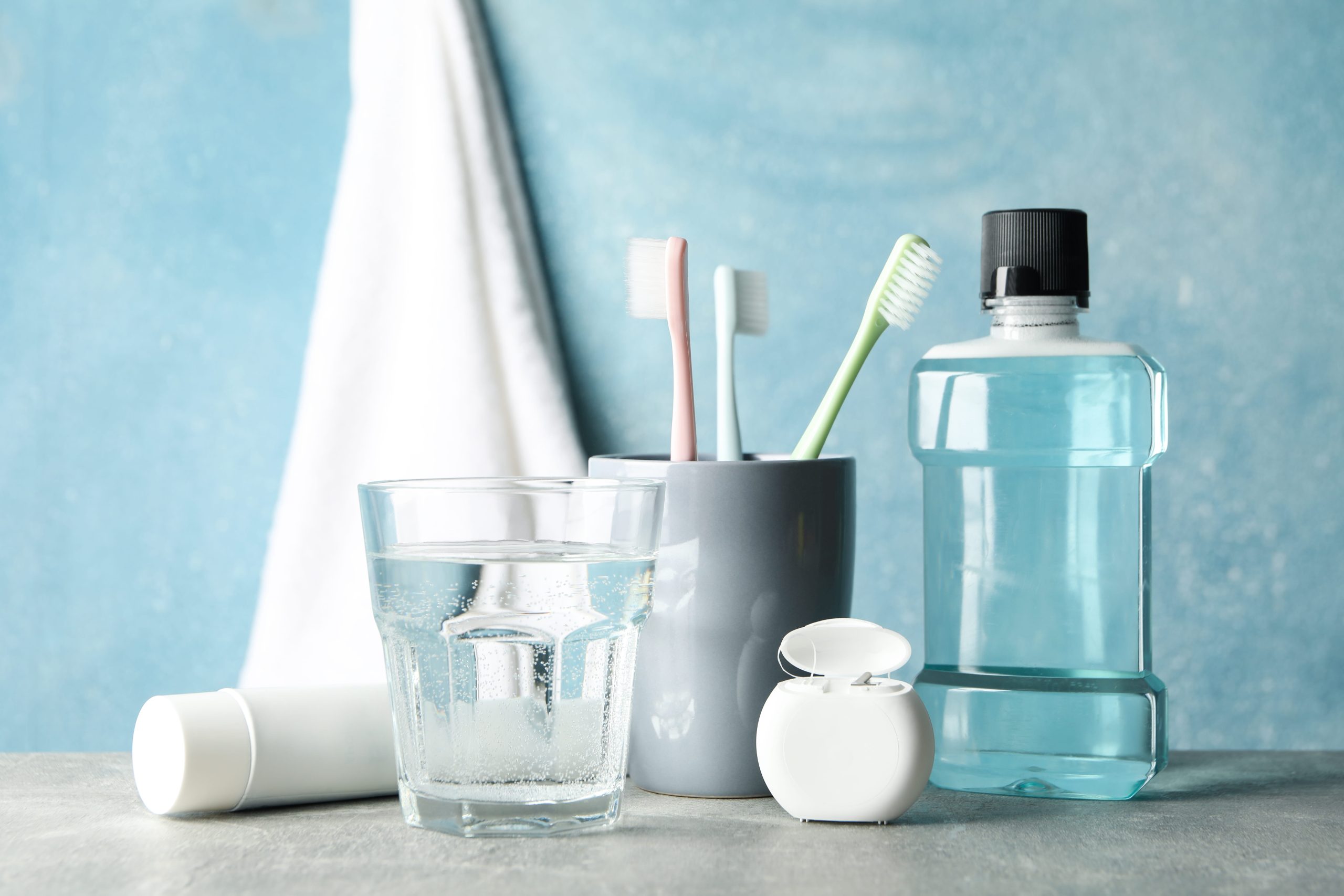
What Does the American Dental Association Say About Mouthwash Timing?
The American Dental Association (ADA) doesn’t hand down a strict rule here. According to the ADA, whether to rinse before or after brushing largely comes down to personal preference, though manufacturers may recommend a specific order based on the ingredients in their product.
That last part matters more than most people realize. The label on your mouthwash bottle isn’t filler text. If a manufacturer built the product to work at a specific point in your routine, ignoring that instruction can reduce what you’re paying for.
The ADA also notes that mouthwash earns its place in a routine because it reaches spots a toothbrush simply can’t. Between your cheeks, under your tongue, and along the back of your throat, plaque bacteria build up in places bristles never touch.
Does It Matter Which Type of Mouthwash You Use?
Yes, and this is the part most articles skip. Not all mouthwash does the same job, so not all mouthwash belongs at the same point in your routine.
Fluoride mouthwash is designed to strengthen enamel, the same way fluoride toothpaste does. Using it right after brushing with fluoride toothpaste can dilute the concentrated layer of fluoride left on your teeth, working against the very toothpaste you just used.
Antimicrobial mouthwash (containing chlorhexidine, cetylpyridinium chloride, or essential oils) targets bacteria linked to plaque and gum disease. Timing matters less here. Using it right after brushing is usually fine, since its job is killing bacteria, not building up mineral protection.
Cosmetic mouthwash mostly freshens breath and leaves a clean taste. It has no meaningful interaction with fluoride, so it can go wherever it fits your routine.
| Mouthwash Type | Main Purpose | Best Timing |
|---|---|---|
| Fluoride | Strengthens enamel, fights cavities | Separate time from brushing (not right after) |
| Antimicrobial | Reduces bacteria, plaque, gingivitis | Fine immediately after brushing and flossing |
| Cosmetic | Freshens breath | Anytime, personal preference |
Why Do Some Dentists Recommend Waiting After Brushing?
The concern comes down to one ingredient: fluoride. Toothpaste leaves a concentrated film of fluoride on your teeth after brushing, and that film needs time in contact with enamel to do its job.
ADA News has reported on dentists who caution against rinsing with water or mouthwash immediately after brushing for exactly this reason. As one report on the topic explains, mouthwash typically contains a lower fluoride concentration than toothpaste, so rinsing right after brushing can reduce the amount of fluoride left on the teeth.
Mayo Clinic takes a more straightforward stance for its general guidance, simply advising patients to use mouthwash after brushing and flossing as part of a daily routine. The nuance worth keeping in mind: this works well for antimicrobial and cosmetic rinses, but if your mouthwash also contains fluoride, giving it a little separation from brushing protects the fluoride boost from your toothpaste.
A simple fix that satisfies both camps: after brushing, spit out the excess toothpaste instead of rinsing with water, and save your fluoride mouthwash for later in the day, like after lunch.
Is It Ever Better to Use Mouthwash Before Brushing?
Some people swear by rinsing first to loosen plaque and food debris before brushing, and there’s a logical case for it. Softening buildup before you brush can make your brushing more effective, especially if you tend to brush quickly or lightly.
This is where a lot of online confusion starts. Viral claims that using mouthwash after brushing “gives you cavities” are an oversimplification. That risk mostly applies to fluoride rinses used right after fluoride toothpaste, not antimicrobial or cosmetic mouthwash.
If you like the idea of rinsing first, an antimicrobial or cosmetic mouthwash before brushing won’t undo your fluoride toothpaste’s benefits afterward. The order only becomes a real issue when two fluoride products stack back to back.
What’s the Best Mouthwash Routine for Most People?
Here’s a routine that works for the majority of patients without overcomplicating things:
- Brush for two minutes with fluoride toothpaste, then spit without rinsing with water.
- Floss to clean between teeth and along the gumline.
- If your mouthwash is antimicrobial or cosmetic, use it right after brushing and flossing.
- If your mouthwash contains fluoride, save it for a separate time, such as after lunch or before you leave the house.
The order of brushing and flossing matters less than most people assume, and the same is true here: consistency beats perfection. If you’re also trying to nail down how often you should floss, the same principle applies. Once a day, done well, covers most people.
Building a routine you’ll actually stick to matters more than chasing a perfect sequence every single night.
Not sure which mouthwash fits your routine? Our team can walk you through what’s actually in your bottle and where it belongs in your day.
(No pressure, just a straight answer based on your teeth and your habits.)
When Should You Use Mouthwash If You Have Gum Disease or Are Prone to Cavities?
General guidance works for general situations. If you’re managing gum disease, recovering from a dental procedure, or prone to frequent cavities, your timing may need to be more specific than “whenever you prefer.”
During a professional gum disease treatment like scaling and root planing, an antimicrobial rinse is often used to flush out remaining bacteria after the procedure. That’s a clinical decision made with a specific goal, not a habit you’d start on your own without guidance.
Patients prone to cavities may benefit from a dentist-directed fluoride rinse at a specific time of day, separate from brushing, to give the enamel extra reinforcement. This is exactly the kind of detail worth bringing up at your next preventive visit, since the right answer depends on your mouth, not a generic rule.
TL;DR
There’s no single correct answer for everyone. Fluoride mouthwash works best at a separate time from brushing, so it doesn’t wash away the fluoride left by your toothpaste. Antimicrobial and cosmetic mouthwashes are generally safe to use right after brushing and flossing. When in doubt, check your mouthwash label, or ask your dentist what fits your specific needs.
Frequently Asked Questions
Should I use mouthwash before or after brushing my teeth?
It depends on the type of mouthwash. Antimicrobial and cosmetic mouthwashes work well right after brushing and flossing. Fluoride mouthwash is better used at a separate time from brushing to avoid diluting the fluoride from your toothpaste.
Does mouthwash before brushing help remove plaque?
Rinsing before brushing can loosen some plaque and debris, which may make brushing slightly more effective. It’s a reasonable approach for antimicrobial or cosmetic rinses, though it won’t replace thorough brushing technique.
Why does mouthwash after brushing sometimes reduce fluoride’s benefit?
Toothpaste leaves a concentrated layer of fluoride on your teeth after brushing. Rinsing immediately with a lower-fluoride mouthwash, or with water, can wash that layer away before it has time to strengthen your enamel.
Can I use mouthwash and toothpaste at the same time?
It’s better to keep them separate. Combining products or rinsing immediately between them can reduce the effectiveness of both, especially when fluoride is involved.
How long should I wait after brushing to use mouthwash?
If your mouthwash contains fluoride, waiting at least 20 to 30 minutes after brushing gives the fluoride from your toothpaste time to work. Antimicrobial and cosmetic mouthwashes don’t require a wait.
Is it bad to skip mouthwash entirely?
No. Mouthwash is a helpful addition, not a requirement. Thorough brushing twice a day and flossing once a day are the two habits that matter most for your oral health.
Your Next Step
Getting your mouthwash timing right is a small change, but it’s one more piece of a routine that actually protects your teeth. If you want a second opinion on your specific routine, or you’re due for a checkup, we’re here to help.
Get a personalized recommendation for your routine, free during your next visit.