
Jaw pain after a novocaine injection comes from the needle irritating a chewing muscle, and the soreness typically clears in under 2 weeks.
The anesthetic did its job and wore off. The ache belongs to a muscle the needle passed on its way to the nerve. At Oxboro Family Dental in Bloomington, we want you to know what is normal and when to call us.
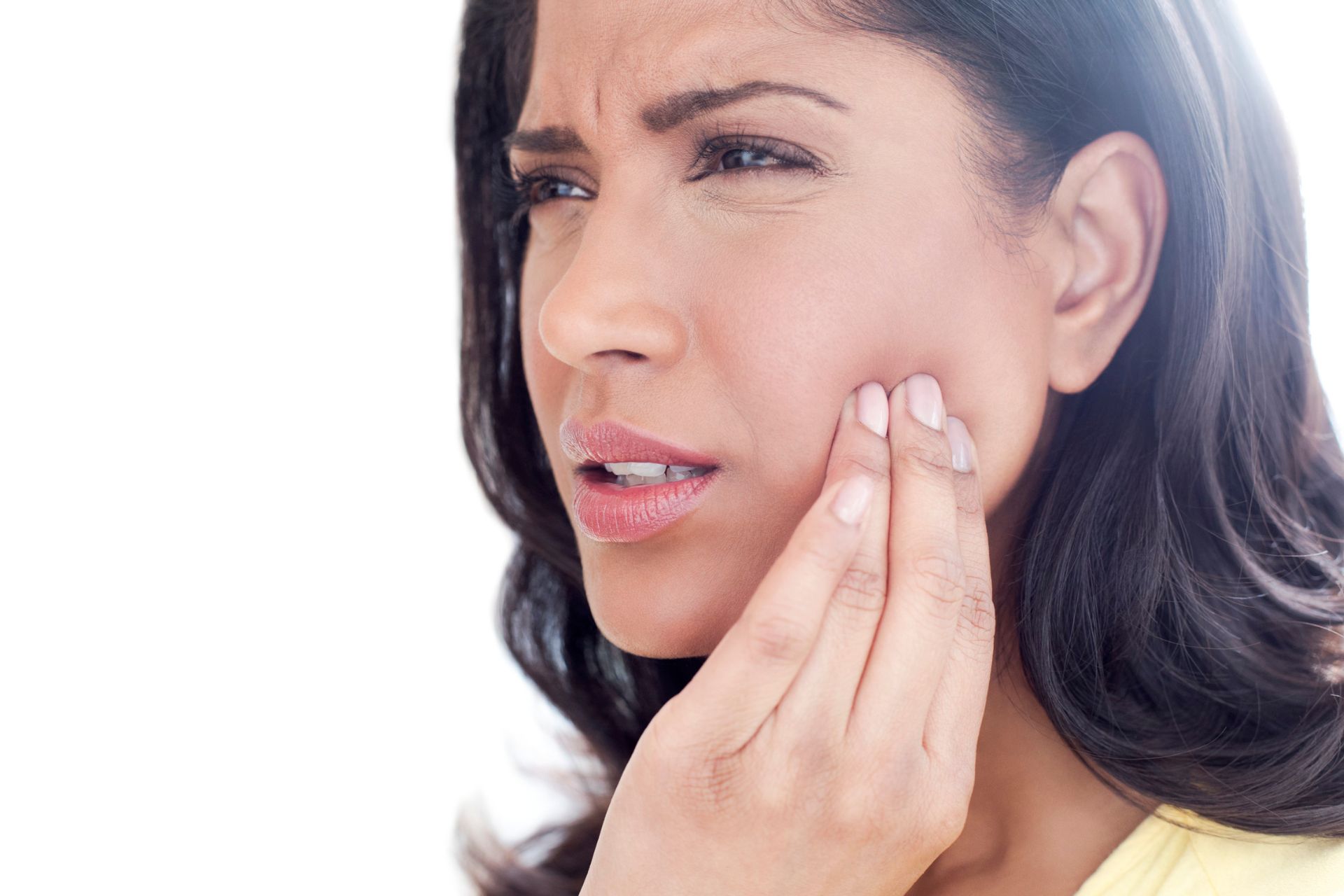
What Causes Jaw Pain After a Novocaine Injection?
Jaw pain after a novocaine injection is caused by the needle, which can pass into a chewing muscle on its way to the nerve that numbs your lower teeth. The numbing drug is rarely Novocaine at all. Newer anesthetics have largely replaced Novocaine in dental offices, and the common ones today are lidocaine, articaine, and mepivacaine. The old name stuck.
Think of a sore arm the day after a flu shot. The vaccine is long absorbed, and the muscle the needle went through still aches when you lift a grocery bag. Your jaw behaves the same way after a dental injection.
| What people assume | What is true |
|---|---|
| The novocaine caused the pain | The needle’s path through muscle caused it. The drug only numbs. |
| Dentists still use Novocaine | Lidocaine, articaine, or mepivacaine in most offices |
| Any dental shot can do this | Lower-jaw nerve blocks are the usual source |
| The ache should end when the numbness does | Numbness fades in about 2 hours. Muscle soreness can run for days, up to 2 weeks. |
| A sore jaw means nerve damage | Nerve injury shows up as lasting numbness or tingling, at an estimated 1 in 26,762 to 1 in 160,571 nerve blocks |
Why does my jaw hurt after a novocaine shot?
Your jaw hurts after a novocaine shot because the needle can enter the medial pterygoid, a chewing muscle on the inner side of the jaw. Stretching that muscle triggers pain, so it tightens and limits how far you open. A small bruise in that space, called a hematoma, causes similar stiffness.
Is it the shot or from holding my mouth open?
The shot and the open-mouth strain can each cause a sore jaw, and they feel different. Injection soreness sits on one side, deep behind the last molar. Strain from a long appointment aches closer to the ear. A filling that sits too high is a third cause of jaw pain after a filling, which a bite adjustment corrects.
Why Are Lower-Jaw Injections More Likely to Cause Jaw Pain?
Lower-jaw injections are more likely to cause jaw pain because they go deeper and land closer to the chewing muscles. Upper teeth are numbed with an infiltration, a small injection placed right next to the tooth. Lower teeth need a nerve block, which delivers anesthetic near the large nerve at the back of the jaw.
The medial pterygoid sits directly beside that target, so needle contact with the muscle is a recognized complication of a nerve block.
The deeper path of a nerve block explains why jaw stiffness tends to follow lower-tooth work, such as a root canal on a lower molar or a lower tooth extraction. Visits that numb more than one area, such as scaling and root planing, leave more than one injection site that can feel tender afterward.
How Long Does Jaw Pain After Novocaine Last?
Jaw pain after novocaine typically resolves in under 2 weeks, and the numbness itself is gone in about 2 hours. Numbness comes from the drug and fades the same afternoon, while soreness comes from the muscle and heals on a muscle’s slower schedule.
Improvement should be steady. A jaw that opens a little wider each morning is healing, even if a bagel is still more than you want to chew.
Why can’t I open my mouth all the way after a dental injection?
Limited opening after a dental injection is called trismus, a tightening of the jaw muscles. A normal mouth opens 40 to 60 millimeters, about the width of two to three fingers held together. With trismus, the opening drops to 35 millimeters or less, and three fingers no longer fit between the front teeth.
How Do You Relieve a Sore Jaw After a Dental Injection?
A sore jaw after a dental injection is relieved with moist heat, soft foods, and an over-the-counter pain reliever. Clinicians use these same measures for short-lived trismus.
Recommended:
- A warm, damp towel on the jaw for 15 to 20 minutes at a time
- Soft foods such as yogurt, eggs, soup, and pasta until opening feels easier
- Ibuprofen or acetaminophen, taken as the label directs, if those are safe for you
- Gentle opening and closing a few times a day, stopping short of sharp pain
Forcing the jaw open strains a muscle that is already irritated.
Clenching and grinding at night keep the chewing muscles working when they need rest. If you already wake with a tight jaw, a custom night guard is a conversation to have with us once the soreness settles.
A jaw that is still tight on day three deserves a look from the team that did the work.
We can check your jaw without scheduling any other treatment.
When Should You Call a Dentist About Jaw Pain After an Injection?
Call a dentist about jaw pain after an injection when the soreness has not improved after 2 to 3 days or when new symptoms appear. Steady improvement is the sign of a healing muscle. The signs below point somewhere else.
Red flags:
- Soreness or stiffness with no improvement after 2 to 3 days
- Stiffness that first appears 2 to 3 days after the visit, which can signal an infection along the needle track
- Fever, or swelling in the cheek, jaw, or neck
- Numbness or tingling that is still there the next day
- An opening that gets smaller instead of wider
An infection needs treatment from a dentist, so a stiff jaw that starts late is a reason to call the same day.
Long visits make the cause harder to judge, since a lengthy crown appointment can leave the joint tired and the muscle sore at once.
Can a dental injection cause nerve damage?
A dental injection can cause nerve damage, and it is rare. Published estimates put permanent nerve injury from a lower-jaw block at between 1 in 26,762 and 1 in 160,571 injections. Nerve injury feels different from muscle soreness. The sign is a tongue, lip, or chin that stays numb or tingles after the anesthetic should have worn off.
TL;DR: Jaw Pain After Novocaine
- Jaw pain after novocaine comes from the needle irritating a chewing muscle called the medial pterygoid.
- Lower-jaw nerve blocks are the usual source because they are placed deeper than upper-tooth injections.
- Numbness fades in about 2 hours, and muscle soreness typically resolves in under 2 weeks.
- Moist heat for 15 to 20 minutes, soft foods, and ibuprofen or acetaminophen ease the ache.
- Call the dentist for soreness that has not improved after 2 to 3 days, fever, swelling, or lasting numbness.
If your jaw is still sore or hard to open after an appointment, we can find out if the muscle is the cause.
Call 952-888-3161 if you would rather talk it through first.
FAQ
Is jaw pain after novocaine normal?
Jaw pain after novocaine is a recognized complication of lower-jaw numbing and tends to be self-limiting. The needle can irritate a chewing muscle, leaving it stiff and tender for days. Soreness that eases a little each day fits that pattern, and soreness that worsens is a reason to call your dentist.
Is it TMJ or the injection?
Injection soreness starts within a day of the appointment, stays on the numbed side, and fades within 2 weeks. A temporomandibular joint (TMJ) problem tends to bring clicking, pain near the ear, and symptoms that were present earlier or keep returning. A jaw that is still limited after 2 weeks should be examined for a joint cause.
Does jaw pain after a dental injection mean infection?
Jaw pain alone after a dental injection does not mean infection. Timing is the clue. Muscle soreness shows up the same day or the next morning, while stiffness that begins 2 to 3 days later, especially with fever or swelling, points to a needle-track infection and needs a dentist.
Should I rest my jaw or keep moving it?
A sore jaw after an injection needs both rest and gentle movement. Rest the jaw from hard, chewy foods and wide yawns for the first few days, and keep it moving with gentle opening and closing. Gentle movement keeps the muscle active while it heals. Forcing the mouth open adds strain.
Can a dentist numb my lower teeth again if my jaw is still sore?
Further dental treatment is generally postponed until the jaw opens comfortably again. A jaw that cannot open fully makes back teeth hard to reach. Tell us when you schedule if your jaw is still tight, so we can decide on timing together.