
Oil pulling is the practice of swishing oil, usually coconut or sesame, in the mouth for several minutes to reduce oral bacteria. Research shows it can lower bacteria counts in saliva, but there is no reliable evidence it whitens teeth, prevents cavities, or replaces brushing and flossing. The American Dental Association does not recommend it as a stand-alone hygiene practice.
If you have seen oil pulling all over social media and wondered whether it deserves a spot in your routine, you are not alone. Here is what the actual research says, where the claims hold up, and where they fall apart.
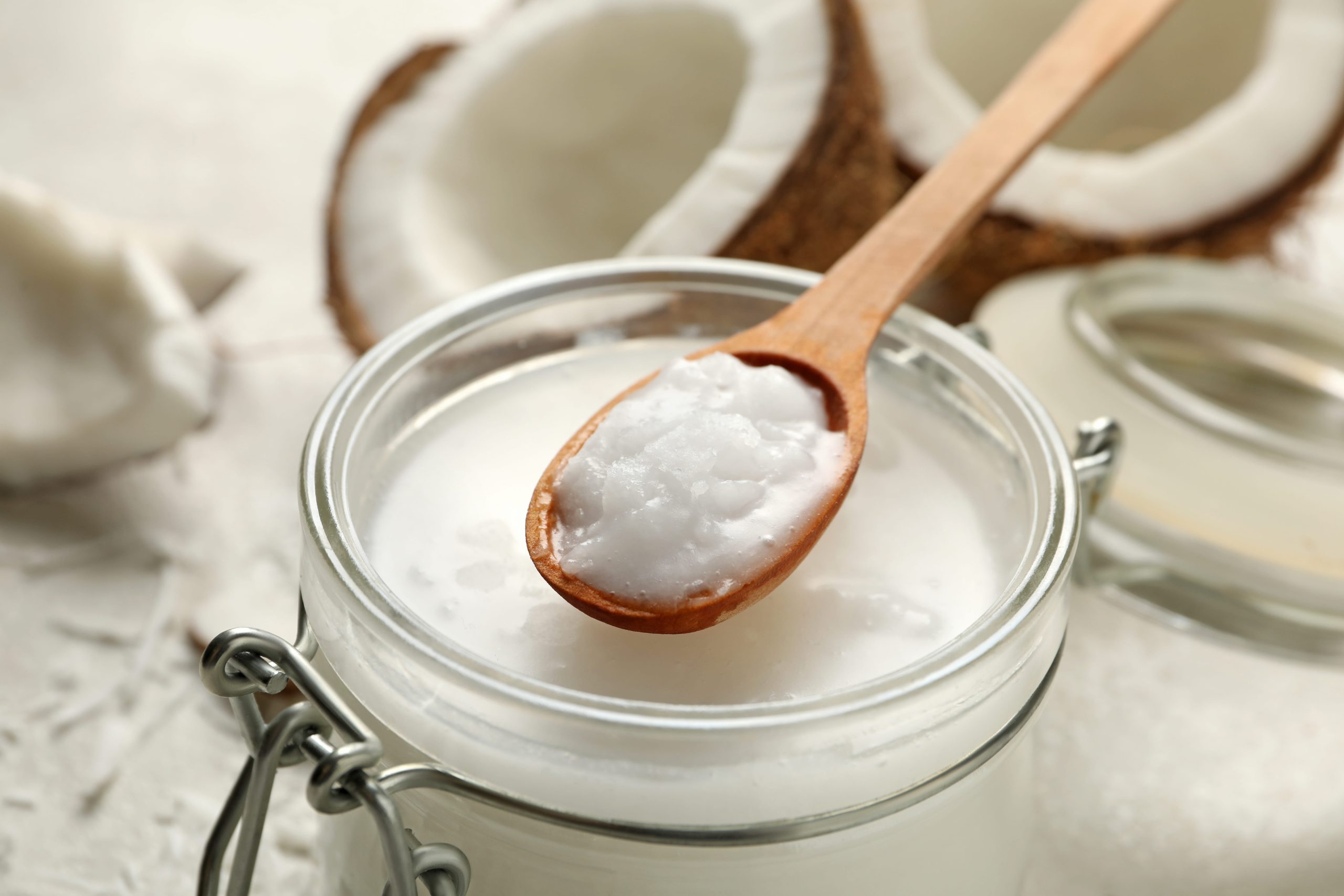
What is Oil Pulling?
Oil pulling started as an Ayurvedic practice in India, long before toothpaste or mouthwash existed. The method is simple: take a tablespoon of oil, swish it around your mouth for several minutes, and spit it out.
Coconut and sesame oil are the most common choices today. Coconut oil is popular partly for its taste and partly because it contains lauric acid, a fatty acid with some antibacterial properties in lab settings.
The theory behind oil pulling is that the swishing motion “pulls” bacteria and debris out of the crevices between your teeth and gums, similar to how a mouthwash works.
Does Oil Pulling Actually Work?
Here is the short version: it depends on what you are hoping it will do.
The American Dental Association has reviewed the available research and does not recommend oil pulling as a dental hygiene practice. Its position is direct: there are no reliable studies showing that oil pulling reduces cavities, whitens teeth, or improves oral health overall.
That said, a 2022 meta-analysis pooling nine randomized controlled trials found something worth noting. Oil pulling was linked to a statistically significant drop in salivary bacterial colony counts compared to control groups. However, the same review found no significant difference in plaque index or gingival index scores between people who oil pulled and those who did not.
In plain terms: oil pulling may reduce the number of bacteria floating in your saliva, but that does not translate into less visible plaque or healthier-looking gums, at least not based on the studies available so far.
That gap between a measurable lab effect and a meaningful clinical benefit is exactly why dentists remain cautious. A change on a test does not always show up as a change you would notice in the mirror.
What Are the Benefits of Oil Pulling?
Based on the current research, here is a realistic breakdown of what oil pulling might do and what it almost certainly will not do.
Possibly true, with limited evidence:
- A modest, temporary reduction in oral bacteria counts
- A mild antibacterial effect from lauric acid in coconut oil, shown mostly in lab studies rather than in the mouth
Not supported by current evidence:
- Whitening teeth
- Preventing cavities
- Reversing gum disease
- “Detoxifying” the body
Reddit threads and wellness blogs are full of people reporting fresher breath or brighter-looking teeth after a few weeks of daily oil pulling. Some of that may be a real, if small, effect. Some of it may also come from paying closer attention to your mouth every morning. Either way, it is not something a dentist can point to as proven. Small, proven habits like chewing ADA-Sealed sugar-free gum tend to have more evidence behind them than oil pulling does.
Does Oil Pulling Whiten Teeth?
Short answer: not in any way that has been scientifically confirmed.
Most tooth discoloration comes from surface stains left behind by coffee, tea, red wine, and tobacco. Swishing oil does not have the chemical properties needed to break down those stains the way a whitening agent like hydrogen peroxide does.
If whiter teeth are your actual goal, a dentist-supervised whitening treatment is the option with real, measurable results. Our in-office and take-home whitening systems use dentist-approved gels designed specifically to lift stains, something a tablespoon of coconut oil cannot replicate.
Is Oil Pulling Safe?
For most healthy adults, oil pulling carries very little risk as long as you follow a few basic rules.
- Never swallow the oil. By the time you finish swishing, it is loaded with the bacteria and debris it pulled from your mouth.
- Spit it into the trash, not the sink. Oil can solidify and clog your pipes over time.
- Skip it if you have young children in the house who might try it. Oil pulling is not recommended for kids, partly because of the swallowing risk.
There is also a rare but documented risk worth knowing about. A 2015 case report described two adults who developed lipoid pneumonia, a lung condition caused by oil entering the airway, after months of repeated sesame oil pulling performed incorrectly. Cases like this are uncommon, but they are a reminder that a natural remedy is not automatically a risk-free one.
If you are dealing with bleeding gums or breath that is not improving no matter what you try, oil pulling will not tell you why a dentist can.
How Do You Oil Pull Correctly?
If you decide to try it alongside your normal routine, not instead of it, here is the general method most sources recommend:
- Use about one tablespoon of coconut or sesame oil.
- Swish gently for 10 to 20 minutes. Start with a shorter time if that feels like a lot.
- Keep the oil moving, but do not gargle or swallow.
- Spit the oil into the trash once you are finished.
- Rinse your mouth with warm water.
- Brush your teeth as you normally would.
The full 20 minutes is a big ask for most people’s mornings. A shorter session is fine. There is no evidence that a longer swish produces meaningfully better results.
Oil Pulling vs. Professional Dental Cleaning: What Actually Removes Plaque?
This is where the comparison matters most. Oil pulling can reduce free-floating bacteria in your saliva. It cannot touch hardened tartar that has already formed on your teeth.
| Oil Pulling | Professional Cleaning | |
|---|---|---|
| Removes soft plaque | Limited evidence | Yes |
| Removes hardened tartar | No | Yes |
| Reaches below the gumline | No | Yes, with scaling and root planing |
| Backed by the ADA | No | Yes |
| Replaces brushing and flossing | No | Works alongside daily care |
Once plaque hardens into tartar, no amount of swishing, brushing, or rinsing at home will remove it. That requires the specialized tools used during a professional cleaning, the same tools our team uses for routine visits and for deeper treatments like scaling and root planing when gum disease has already set in.
If you stay consistent with a solid daily oral care routine, most patients avoid ever needing that deeper level of care. Oil pulling, at best, is a minor supplement to that routine, not a substitute for it.
TL;DR: Does Oil Pulling Work?
- Oil pulling may modestly reduce bacteria counts in saliva, based on limited clinical research.
- It has not been shown to whiten teeth, prevent cavities, or reverse gum disease.
- The ADA does not recommend it as a dental hygiene practice.
- It is generally low-risk if done correctly, though rare cases of lipoid pneumonia have been reported.
- It can be a small addition to your routine. It cannot replace brushing, flossing, and regular dental visits.
A professional cleaning removes what oil pulling cannot reach.
FAQ
Does oil pulling work for bad breath?
It may help temporarily by reducing bacteria in the mouth, but the effect has not been proven to outperform brushing, flossing, or mouthwash for long-term fresh breath.
How long does it take to see results from oil pulling?
Some people report noticing fresher breath within a week or two of daily use. There is no set clinical timeline because the evidence for visible benefits is limited.
Can I do oil pulling instead of brushing?
No. Oil pulling has not been shown to remove plaque or tartar the way brushing and flossing do, and it should never replace either one.
What is the best oil for oil pulling?
Coconut and sesame oil are the two most studied options. Coconut oil is often preferred for its taste and its lauric acid content.
Is oil pulling safe for kids?
It is not recommended for children, mainly because of the risk of accidentally swallowing the oil.
Does oil pulling help with gum disease?
Current research has not shown a significant improvement in gingival index scores from oil pulling. If you are noticing signs of gum disease, such as bleeding or swollen gums, a professional evaluation is the more reliable next step.